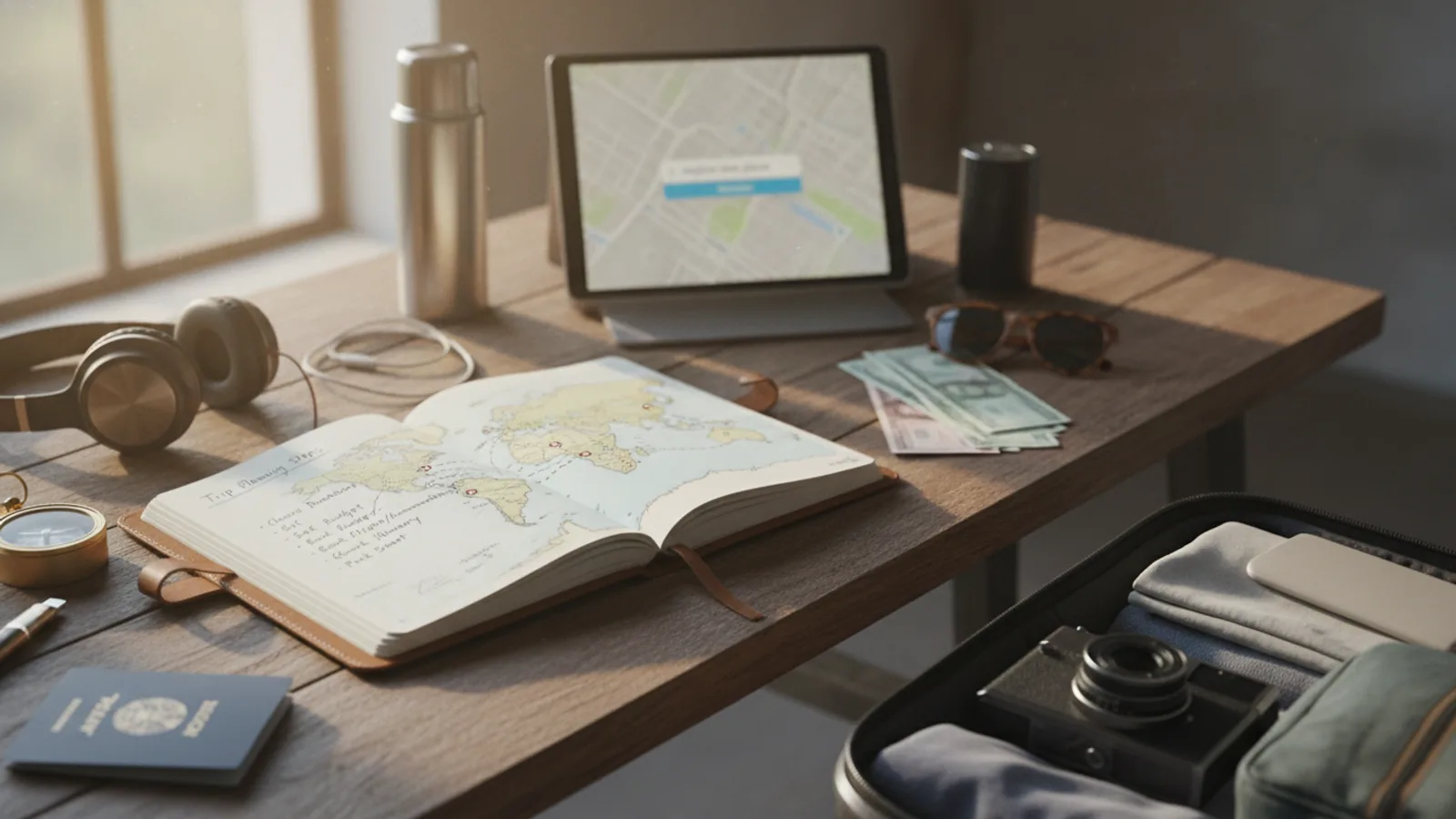
How To Organise A Trip
Organising a trip involves careful planning and preparation to ensure a smooth and enjoyable experience. This guide covers everything from setting a budget and choosing a destination to booking flights, accommodation, and activities, as well as packing tips and handling common issues. By following these steps, you can plan a well-organised trip that meets your needs and reduces stress.
Fast Answer
- Start by setting a clear budget and choosing a destination that fits within it, then book your travel and accommodation early to secure the best options.
- Create a detailed itinerary that includes activities and downtime, and prepare your documents, finances, and packing list well in advance to avoid last-minute panic.
Before You Start
- Set a total budget for the entire trip, including transport, accommodation, food, activities, and a contingency fund for unexpected expenses.
- Research potential destinations, considering factors like weather, travel advisories, local customs, and activities you enjoy, and create a shortlist of three or four options.
- Check your passport's validity and any visa requirements for your destination at least two months before travelling, and renew or apply as needed.
- Notify your bank of your travel dates and foreign usage to avoid blocked cards, and arrange for travel insurance that covers medical care and trip cancellation.
Step-by-Step Instructions
Set Your Budget and Destination
Begin by determining how much you can realistically spend on the entire trip, including transport, accommodation, food, entertainment, and a buffer of about ten percent for unexpected costs. Write down your total budget and then research destinations that match your proposed daily spending. Consider the cost of living in each place, the exchange rate, and the prices of flights and hotels. Use online forums, travel blogs, and budget calculators to estimate daily expenses. Once you have a few options, compare them against your budget and also consider factors like weather, culture, and activities. Pick the destination that offers the best balance between affordability and the experiences you want. Make a firm choice and then allocate your budget into specific categories such as transport, accommodation, food, and activities so you can track expenses later. This initial step prevents overspending and ensures you choose a place you can afford to enjoy fully.
Book Flights and Travel Dates
Once your destination and approximate dates are set, start searching for flights well in advance. Use multiple flight comparison websites and set price alerts to track deals. Be flexible with your travel dates if possible, as flying mid-week or in the off-season can save significant money. When you find a reasonably priced flight, book it immediately, as prices can rise quickly. Confirm your booking and note the check-in times and baggage allowances. If you have connecting flights, allow enough time between connections to avoid stress if the first flight is delayed. After booking, mark your calendar with reminders to check in online (usually 24 hours before departure) and to arrange any necessary seat selections or meal options. This booking step locks in your travel plan and gives you a basis for arranging accommodation and activities, so do not postpone it.
Arrange Accommodation
With your travel dates fixed, search for places to stay that suit your budget and preferences. Look at a mix of hotels, hostels, guesthouses, or short-term rentals, depending on your comfort level and money available. Read recent reviews from other travellers to check cleanliness, safety, and location. Choose accommodation that is close to public transport or attractions you plan to visit, as this saves time and money. Book directly with the provider or through a reputable booking platform, and print or save the confirmation details. Check the cancellation policy so you know what happens if your plans change. If you are arriving late at night, notify the property about your arrival time. This step secures your resting place and gives you a home base for exploring.
Plan Your Itinerary and Book Key Attractions
Create a day-by-day outline of the activities and sights you do not want to miss. Start with major attractions (like museums, monuments, or landmarks) and then fill in with free walking tours, parks, and local experiences. Allocate realistic time for travelling between places and include breaks for meals and rest. For popular attractions, purchase tickets online in advance to skip long queues and ensure availability. Make dining reservations for restaurants you highly want to try, and book any tours or experiences that require prior booking. Verify opening hours and days of operation, as some places close on Mondays or have seasonal hours. This plan ensures you make the most of your time and reduces stress while you are there.
Prepare Documents and Finances
At least a week before you leave, gather all essential documents: passport, visas, travel insurance policy, booking confirmations, and a copy of your itinerary. Make physical copies and store them separately from the originals, and also have digital copies saved on your phone or cloud. Notify your bank of your travel dates and foreign usage so your card is not blocked, and consider carrying a backup card or some cash in local currency for emergencies. Update your contact details and download maps or translation apps for offline use. Also, check that your phone plan works abroad or plan to use free Wi‑Fi. Having your documents and finances organised prevents delays and helps you cope if something is lost or stolen.
Pack Smart and Finalise
A few days before departure, lay out everything you need and evaluate each item. Aim for a capsule wardrobe that mixes and matches, and pack essentials like medications, chargers, adapters, and a basic first‑aid kit. Check the weather forecast for your destination and pack accordingly, but also include a light waterproof layer. Roll your clothes to save space, and use packing cubes or clear bags to organise items. Place heavy items near the wheels of a wheeled suitcase, and carry a small day bag for essentials like valuables, a notebook, and a spare outfit in case your main luggage is delayed. Weigh your suitcase to avoid extra fees. Finally, do a last check of your ticket times, transport to the airport, and that you have your passport, tickets, and insurance in your carry‑on. This finalisation ensures you leave with everything you need and reduces the chance of forgetting something critical.
Quick Reference
| Situation | Action | Why it helps |
|---|---|---|
| You are deciding between two destinations and cannot choose. | Compare the total expected costs (flights, daily expenses, activities) for each and pick the one that fits your budget better, then check weather and activities for your dates to confirm comfort. | This ensures you enjoy the trip without financial strain and avoid choosing a place with bad weather or no interesting things to do. |
| Flights for your chosen dates are more expensive than you planned. | Search for alternative nearby airports, adjust your travel dates by a few days, or set a price alert and wait a week; if you must book, use your contingency fund. | Being flexible and monitoring prices can save a lot, and having a backup fund avoids blowing your budget on a single booking. |
| You are unsure if your passport is valid for the trip. | Check its expiry date now; many countries require at least six months of validity beyond your return date, so renew immediately if it is close. | Insufficient passport validity is a common reason for being denied boarding, and renewing early avoids ruining your plans. |
Common Issues
- You lose your passport or credit card while abroad.: Every time you go out, leave the original passport and extra cash in your safe and carry a photocopy or digital scan. If lost, contact the local embassy for your passport and cancel your card immediately via your bank, then use your backup payment method.
- Your flight is delayed or cancelled.: Stay updated via the airline's app or website. If delayed, keep receipts for meals just in case you are eligible. If cancelled, ask the airline for rebooking or a refund, and have your travel insurance details ready to claim.
- You run out of cash and your foreign card is not accepted.: Carry at least two forms of payment (for example, one credit card and one debit card) and have local currency for small shops. If your card is blocked, contact your bank immediately and use an ATM with a secure location.
Advanced Tips
- Use a dedicated travel wallet to store your passport, cards, and boarding passes, and keep it in front of your body to deter theft.
- Book a walking tour for your first morning in a new city; you will orient yourself quickly, learn local tips from the guide, and discover places you might otherwise miss.
- Take a photo of each packing cube or bag compartment after you pack it; when you unpack, you will instantly know where everything is, saving time and reducing stress.
Final Checklist
- Confirm that your passport has at least six months of validity and any required visas are obtained.
- Arrange for your bank to allow foreign transactions and carry a backup card with a separate fund.
- Book your flights, accommodation, and any key attraction tickets, and store confirmations both offline and on your phone.
- Create a day‑by‑day itinerary that includes free time and is adaptable, and share it with a friend or family member for safety.
FAQ
How far in advance should I book flights and accommodation?
Aim to book flights at least two to three months ahead for long‑haul and one month for shorter trips, especially if travelling in peak seasons. For accommodation, booking as soon as your flights are fixed is best, but if you prefer flexibility, look for free‑cancellation options up to a week before.
What is the best way to save money while planning a trip?
Set a clear budget and stick to it, travel in the off‑season, use flight price alerts, stay in hostels or guesthouses, cook some meals, use public transport, and pre‑book attractions online to avoid extra fees. Always have a contingency fund for unexpected costs.
What should I do if I lose my documents while abroad?
First, report lost or stolen items to the local police and get a report. Contact your embassy or consulate for a replacement travel document. Cancel any lost credit cards immediately via your bank. Use your backup copies to prove your identity, and inform your travel insurance provider to claim for any expenses.