Best Time To Travel To Italy 2026
Roundup review
This roundup breaks down the best time to travel to Italy by season, region, and trip style so you can match timing to what you actually want to do. Instead of claiming one universal month, it compares five timing windows: spring in Tuscany, early summer in Rome and the Amalfi Coast, late summer in the Dolomites, autumn across Tuscany and Piedmont, and winter in Italy's art cities. It covers crowd levels, typical weather patterns, event calendars, and cost trade-offs, with clear notes on what to verify before booking. Use this as a planning framework, then confirm current conditions, openings, and transport before you commit.
Quick Comparison
April to mid-May in Tuscany
- Mild temperatures support long walking days in cities and hill towns.
- Spring greenery and flowers make countryside drives especially scenic.
- Crowds are usually lighter than in July and August peak season.
Late May to mid-June in Rome and the Amalfi Coast
- Warm, mostly dry weather suits both city sightseeing and coastal time.
- Ferry and boat connections along the Amalfi Coast are generally active.
- Long daylight hours allow more flexible daily itineraries.
Late August to September in the Dolomites
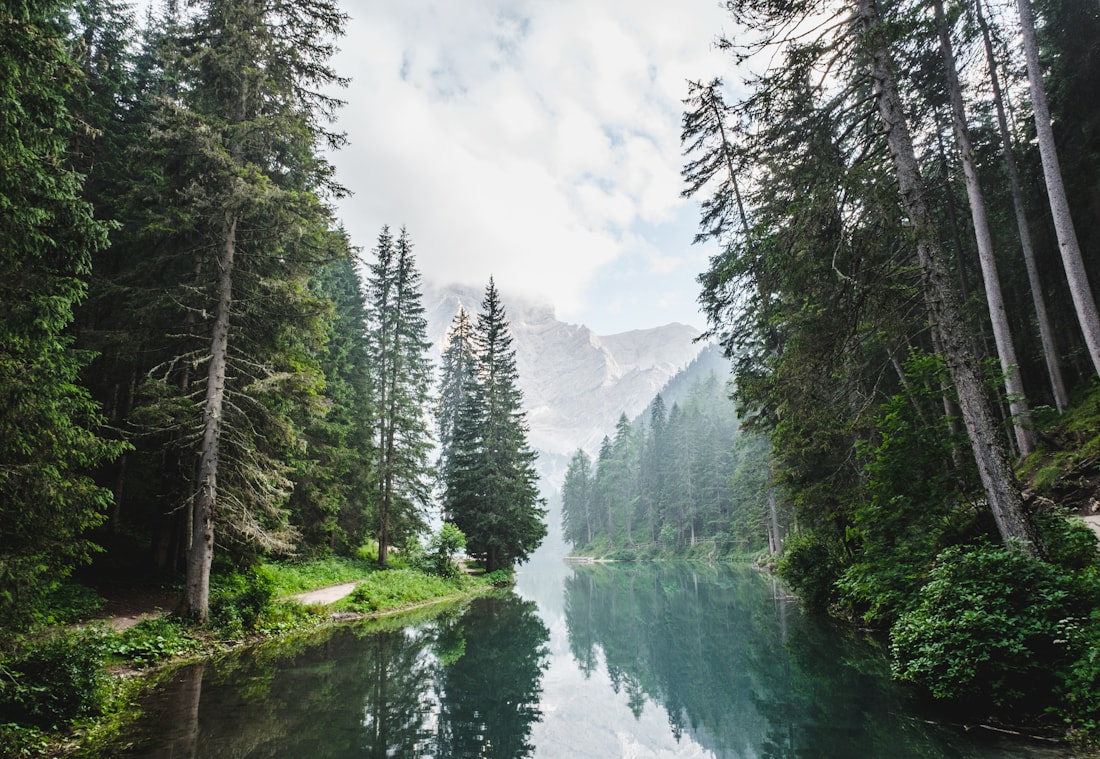
- Cooler mountain air makes long hikes more comfortable.
- September often brings fewer crowds than the August peak.
- Refuges and cable cars are typically operating in the core season.
October to early November in Tuscany and Piedmont
- Harvest season brings distinctive local food and wine experiences.
- Fewer summer crowds make hill towns and museums more relaxed.
- Cooler weather is comfortable for walking and urban sightseeing.
December to February in Florence, Venice, and Rome
- Major museums and churches are often less crowded than in summer.
- Hotel rates can be lower outside holiday peak dates.
- Venice and Florence feel more local and atmospheric in cool weather.
The Best best time to travel to italy
- April to mid-May in Tuscany - Spring Shoulder Season in Tuscany
- Late May to mid-June in Rome and the Amalfi Coast - Early Summer in Rome and the Amalfi Coast
- Late August to September in the Dolomites - Late Summer in the Dolomites
- October to early November in Tuscany and Piedmont - Autumn Food and Wine Season
- December to February in Florence, Venice, and Rome - Winter Art Cities
How We Chose the Best best time to travel to italy
We evaluated timing options for travel to Italy by mapping each window against five practical criteria: weather comfort for walking and sightseeing, crowd pressure, event and food seasonality, transport and accommodation cost patterns, and regional suitability. We intentionally avoided naming exact prices, opening hours, or availability because these change frequently and are not suitable for a static guide. Where relevant, we reference well-established seasonal patterns, such as spring wildflowers in Tuscany, summer heat in Rome, autumn harvest in Piedmont, and winter museum access in Florence and Venice. We also considered family travel, solo travel, hiking, and food-focused trips, because the best time depends heavily on what you plan to do. Scores reflect a weighted blend of comfort, value, and experience quality, not a claim that one window is objectively superior. Readers should always confirm current local conditions, event dates, and site openings before booking.
April to mid-May in Tuscany
April to mid-May is often considered one of the most balanced windows for Tuscany, with mild daytime temperatures, lengthening daylight, and countryside that is green before summer heat sets in. It suits travelers who want to walk Florence's historic center, visit hill towns such as Siena and San Gimignano, and drive scenic routes without peak summer congestion. Wildflowers and garden visits add visual appeal, while Easter and Liberation Day can bring short spikes in demand. Verify current museum reservations, rental car availability, and local festival dates before you commit.
Pros
- Mild temperatures support long walking days in cities and hill towns.
- Spring greenery and flowers make countryside drives especially scenic.
- Crowds are usually lighter than in July and August peak season.
Cons
- Easter and late-April holidays can briefly raise prices and demand.
- Some rural restaurants and agriturismi may still have limited hours.
Late May to mid-June in Rome and the Amalfi Coast
Late May to mid-June can be a strong compromise for travelers who want warm beach weather without the most intense August heat and congestion. Rome's outdoor sites and the Amalfi Coast's coastal towns are usually lively, and ferry links to Capri and Positano are typically running. The trade-off is rising demand and higher accommodation costs near the coast. This window rewards early booking and flexible scheduling. Confirm current ferry schedules, major event dates, and site reservation requirements before finalizing travel.
Pros
- Warm, mostly dry weather suits both city sightseeing and coastal time.
- Ferry and boat connections along the Amalfi Coast are generally active.
- Long daylight hours allow more flexible daily itineraries.
Cons
- Accommodation near the coast can be expensive and book up early.
- Popular Rome sites may still require timed reservations.
Late August to September in the Dolomites
Late August through September is a classic hiking window in the Dolomites, with generally stable conditions for mountain trails, cooler air than the cities, and refuges that are usually staffed during the core season. It works well for travelers who prioritize hiking, via ferrata, and scenic drives over urban sightseeing. Early September can feel calmer than mid-August, though some high-altitude services begin to wind down later in the month. Always check trail status, weather forecasts, and mountain hut opening dates before departure.
Pros
- Cooler mountain air makes long hikes more comfortable.
- September often brings fewer crowds than the August peak.
- Refuges and cable cars are typically operating in the core season.
Cons
- Weather in the mountains can change quickly and without warning.
- Some high-altitude facilities close as the season winds down.
October to early November in Tuscany and Piedmont
October to early November is a strong choice for food and wine travelers, especially in Tuscany and Piedmont, where harvest season shapes local markets, restaurant menus, and wine-country visits. Days are shorter and cooler, but the atmosphere is often quieter than summer, and cities such as Florence and Turin remain rewarding for museums and architecture. Truffle and wine events can draw visitors, so planning ahead matters. Confirm current harvest event dates, winery visit policies, and rural transport options before booking.
Pros
- Harvest season brings distinctive local food and wine experiences.
- Fewer summer crowds make hill towns and museums more relaxed.
- Cooler weather is comfortable for walking and urban sightseeing.
Cons
- Shorter daylight hours limit late-afternoon countryside exploring.
- Rain becomes more likely, especially in northern regions.
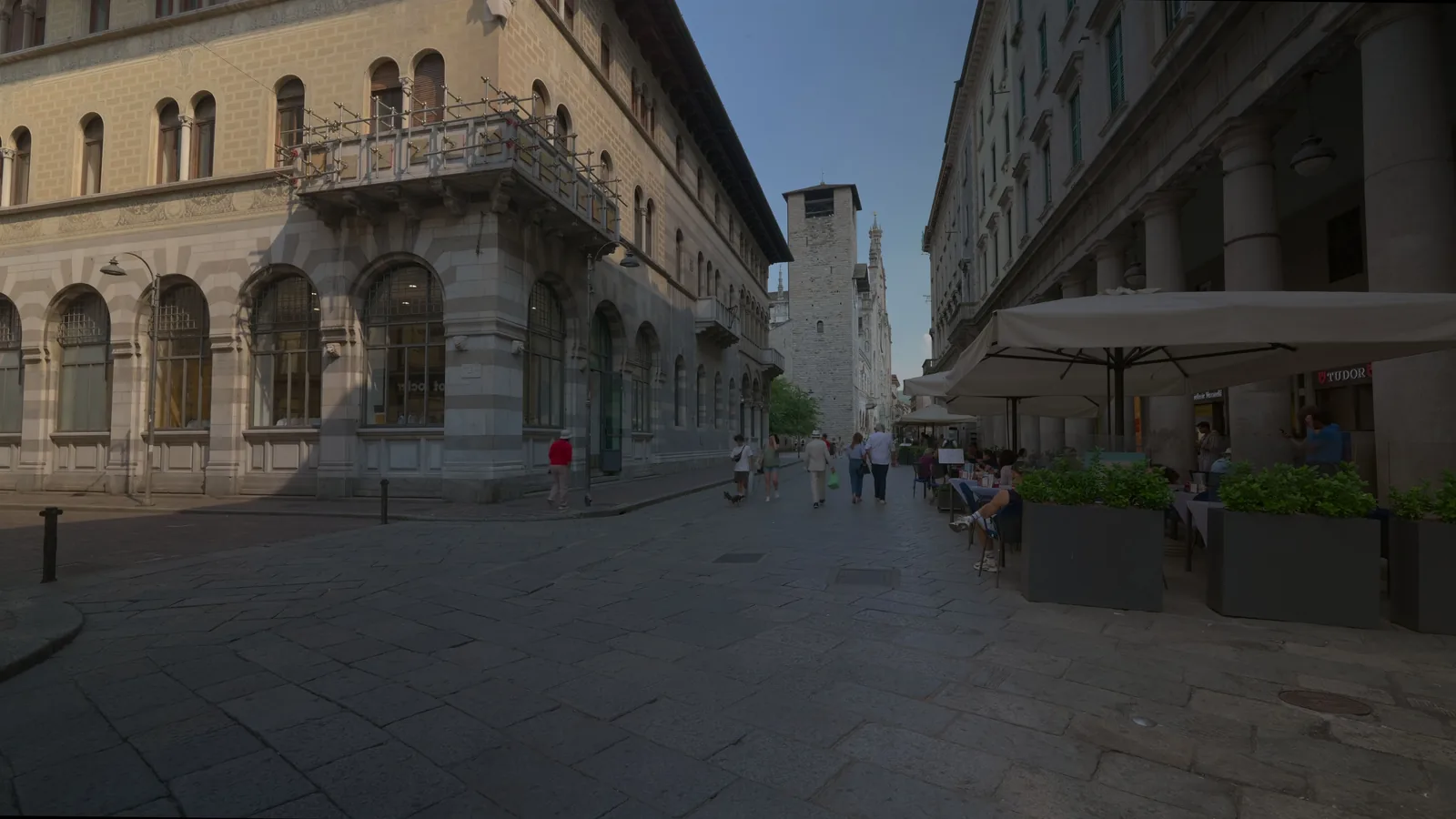
December to February in Florence, Venice, and Rome
December through February can be ideal for museum-focused city trips, with shorter queues at major sites, lower accommodation demand outside holiday peaks, and a moody atmosphere in Venice and Florence. Rome often remains manageable for outdoor sightseeing, though temperatures are cool. This window suits travelers who prioritize art, architecture, and food over beaches or mountain hiking. Holiday periods around Christmas and New Year can still be busy. Verify current museum hours, site closures, and seasonal transport schedules before traveling.
Pros
- Major museums and churches are often less crowded than in summer.
- Hotel rates can be lower outside holiday peak dates.
- Venice and Florence feel more local and atmospheric in cool weather.
Cons
- Short days and cold temperatures limit outdoor activities.
- Some coastal and countryside businesses operate on reduced schedules.
Buying Guide: How to Choose best time to travel to italy
Choosing the best time to travel to Italy starts with matching the season to your priorities rather than chasing a single ideal month. If your trip centers on hiking in the Dolomites, late summer and early autumn usually offer the most reliable mountain conditions, but you must check trail status, weather forecasts, and mountain hut opening dates because these vary year to year. If you want coastal time on the Amalfi Coast or in Sicily, late spring and early summer typically balance warm weather with active ferry and beach services, though accommodation costs rise and popular towns book early. For city-focused trips, winter can be excellent for museums in Florence, Venice, and Rome, with fewer crowds outside the Christmas and New Year period, but you should confirm current opening hours and any restoration closures. Food and wine travelers often favor autumn in Tuscany and Piedmont for harvest season, yet rural transport and winery visit policies need to be verified in advance. Families with school-age children may find late spring or early autumn easier than peak summer, while budget-conscious travelers can often find better value in shoulder months, accepting more unpredictable weather. Regardless of season, check current entry requirements, rail and ferry schedules, and major event calendars before booking, because local festivals and public holidays can sharply affect demand. Build in flexibility for weather and avoid relying on exact prices, opening hours, or availability from any static guide. The most reliable approach is to choose two or three candidate windows, compare current flight and rail options, and then confirm local conditions close to departure.
Final Verdict: Best best time to travel to italy
There is no single best time to travel to Italy, but the strongest overall window for most first-time visitors is the spring shoulder season, especially April to mid-May, when temperatures are mild, countryside is green, and crowds are usually lighter than in July and August. Travelers who prioritize hiking should look at late August to September in the Dolomites, while food and wine enthusiasts may prefer October in Tuscany and Piedmont. Winter is underrated for museum-focused city trips, particularly in Florence and Venice. Before booking, verify current openings, event dates, transport schedules, and local conditions, because these change and cannot be guaranteed by any static guide.
FAQ
What is the single best month to visit Italy for good weather and manageable crowds?
There is no single best month, but April to mid-May and late September to October often balance mild weather with lighter crowds than the summer peak. Spring suits Tuscany and city sightseeing, while early autumn works well for food and wine travel. You should still check current local conditions, event calendars, and site openings before booking, because weather and crowd patterns vary by region and year.
When should I visit the Amalfi Coast if I want to avoid extreme heat and peak congestion?
Late May to mid-June is often a good compromise for the Amalfi Coast, with warm weather and ferry services typically running before the most intense summer heat and crowds. September can also work well. Accommodation near the coast can be expensive and books early, so confirm current ferry schedules, availability, and local conditions before finalizing your plans.
Is winter a good time to visit Italy for museums and cities?
Yes, December through February can be excellent for museum-focused trips to Florence, Venice, and Rome, with fewer crowds outside the Christmas and New Year holidays and often lower hotel demand. Temperatures are cool and daylight is shorter, and some coastal or countryside businesses reduce hours. Verify current museum openings, transport schedules, and any seasonal closures before you travel.